


How do Invisalign attachments help fix complex bite issues?
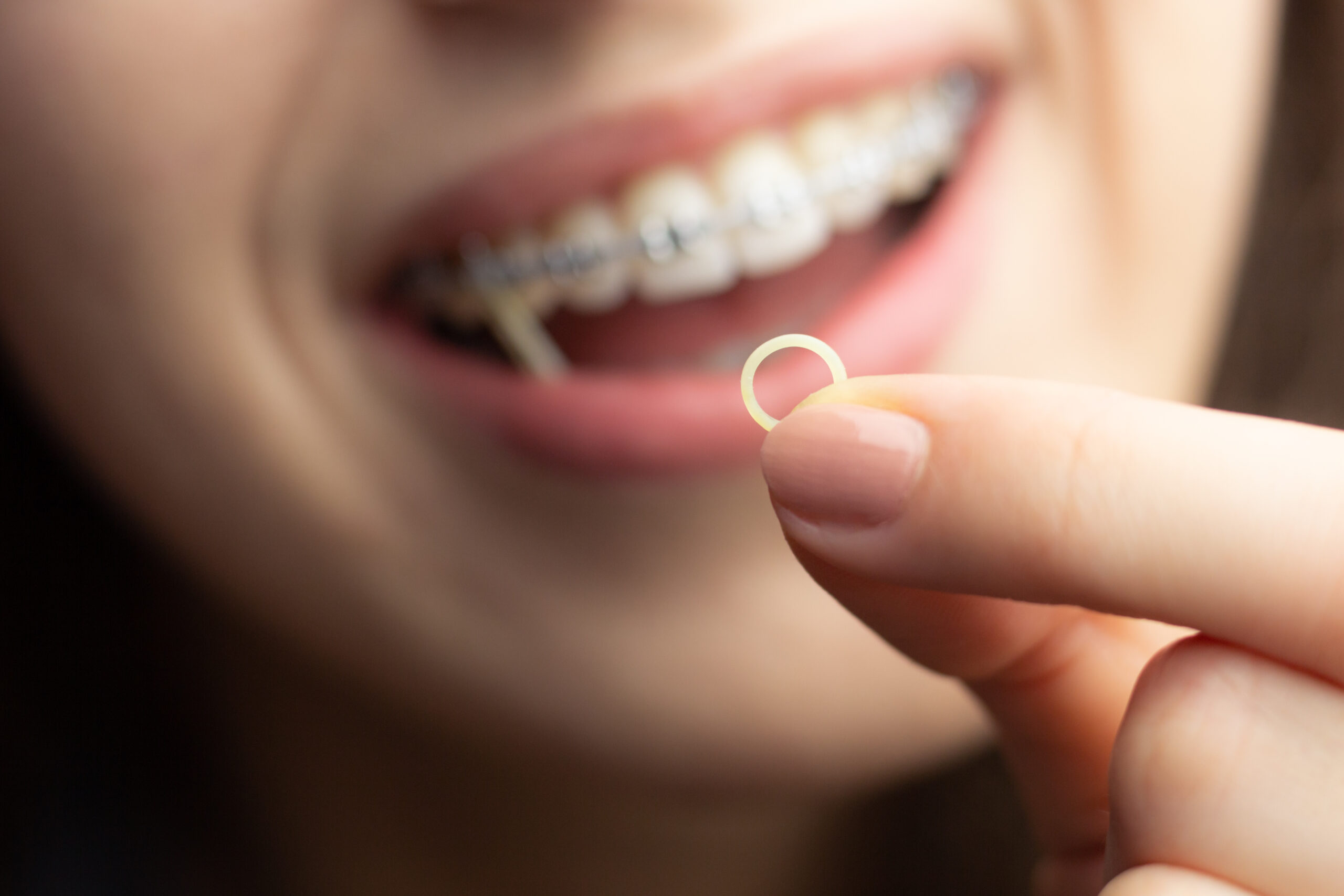
When it comes to achieving a beautifully aligned smile, Invisalign has revolutionized orthodontic treatment. The clear, removable aligners are a favorite among teens and adults who want a discreet way to straighten their teeth. But not everyone has a straightforward case. For individuals with complex bite issues—such as overbites, underbites, crossbites, or rotated teeth—standard aligners may need a little extra help. That’s where Invisalign attachments come in.
What Are Invisalign Attachments?
Invisalign attachments are small, tooth-colored shapes bonded to your teeth using a dental composite material. These attachments act like handles that give your aligners more grip, allowing them to apply precise forces to specific teeth. Depending on your treatment plan, attachments can be shaped differently to achieve a variety of movements, such as rotation, tipping, or extrusion.
Although attachments are small, they play a major role in complex cases. Without them, your aligners might struggle to shift teeth in the exact way needed to correct a complicated bite. Think of attachments as the “extra push” your teeth need to move into their proper positions.
How Attachments Work for Bite Issues
Correcting a bite isn’t just about straightening teeth. A healthy bite involves proper alignment of the upper and lower jaws, as well as each tooth fitting together in the correct position. Here’s how Invisalign attachments help:
-
Precision Tooth Movement
Attachments allow the aligners to exert forces in very specific directions. For example, if a tooth needs to rotate slightly to fit into the bite, an attachment provides the leverage for the aligner to do just that. -
Correcting Overbites and Underbites
An overbite occurs when the upper teeth protrude over the lower teeth, while an underbite is when the lower teeth extend beyond the upper teeth. Certain attachments can assist in moving front teeth up or down and repositioning the jaw slightly to improve how the bite aligns. -
Managing Crossbites
A crossbite happens when some upper teeth sit inside the lower teeth when the mouth is closed. Attachments help guide the teeth outward or inward, depending on what’s needed, so that the upper and lower teeth meet correctly. -
Assisting in Tooth Extrusion and Intrusion
Some bite problems require raising (extrusion) or lowering (intrusion) a tooth. Aligners alone may not be enough to achieve this, but attachments act as anchors to make these movements possible. -
Ensuring Consistency
Complex bite issues often require multiple, precise adjustments over time. Attachments help maintain the aligners’ grip, ensuring that the forces are consistent and controlled throughout treatment. This reduces the risk of teeth shifting incorrectly or prolonging treatment.
Types of Invisalign Attachments
Not all attachments are the same. Your orthodontist will customize their size, shape, and placement based on your specific bite issues. Common types include:
-
Horizontal Attachments: Help move teeth forward or backward.
-
Vertical Attachments: Aid in raising or lowering teeth.
-
Elliptical Attachments: Assist with rotating teeth.
-
Optimized Attachments: Computer-designed for unique, complex movements.
The beauty of Invisalign attachments is that they are designed to blend in with your natural teeth. While slightly visible up close, they’re usually discreet and hardly noticeable from a distance.
Caring for Attachments During Invisalign Treatment
Proper care ensures attachments remain in place and effective throughout treatment. Here are some tips:
-
Avoid Hard or Sticky Foods: Foods like caramel or hard candy can dislodge attachments.
-
Maintain Oral Hygiene: Brush and floss carefully around attachments to prevent plaque buildup.
-
Wear Aligners Consistently: The attachments only work when your aligners are in place. Missing hours can slow progress.
-
Report Issues Promptly: If an attachment comes off or your aligner feels loose, contact your orthodontist immediately.
Are Attachments Painful?
It’s common to feel some pressure or mild soreness when attachments are first placed, especially as your teeth start moving. This is normal and usually subsides after a few days. Attachments themselves are painless—they don’t involve any drilling or nerve stimulation.
Benefits of Using Invisalign Attachments for Complex Bite Issues
Invisalign attachments offer several advantages for patients with complicated orthodontic needs:
-
More Accurate Tooth Movement: Aligners can achieve precise adjustments that might not be possible with clear trays alone.
-
Shorter Treatment Time: By helping teeth move efficiently, attachments can reduce the overall duration of treatment.
-
Predictable Results: Orthodontists can plan movements with attachments in mind, providing a clearer path to the desired outcome.
-
Aesthetically Friendly: Attachments are subtle and blend with natural teeth, maintaining Invisalign’s discreet appeal.
When Are Attachments Necessary?
Not every Invisalign patient requires attachments. Simple crowding or minor spacing issues may be corrected without them. However, if your bite is complex or teeth need to rotate, move vertically, or shift in ways that aligners alone can’t manage, attachments become a critical part of your treatment plan. Your orthodontist will evaluate your teeth and bite to determine the need, number, and placement of attachments.
Why You Should See a Professional for Complex Bite Issues
Complex bite issues require careful planning and monitoring. Attempting to self-correct or using aligners without proper guidance can result in incomplete correction, prolonged treatment, or even damage to teeth and gums. A skilled orthodontist can create a customized Invisalign plan that considers your bite, jaw alignment, and long-term dental health.
Transform Your Smile with Tisseront Orthodontics
If you’re struggling with a complex bite issue and are considering Invisalign, Tisseront Orthodontics in Reston, VA can help. With years of experience in treating challenging cases, our team designs precise treatment plans tailored to each patient. Using the latest technology, including Invisalign attachments when necessary, we ensure efficient, predictable, and aesthetically pleasing results.
Your smile deserves expert care, whether you have an overbite, underbite, crossbite, or other orthodontic concerns. Contact Tisseront Orthodontics today and take the first step toward a healthier, more confident smile. Your journey to straight teeth and a perfectly aligned bite starts with a consultation with a trusted Reston orthodontist.