


How to Choose the Right Orthodontist in Reston, VA
Finding an orthodontist in Reston, VA can feel repetitive at first glance—most offices say they offer great results, modern tools, and comfortable treatment. But once you start comparing carefully, the differences become pretty clear. The real question isn’t just who offers braces or Invisalign®, but who actually plans treatment in a way that fits your bite, your timeline, and your goals.
If you’re narrowing down options for braces, Invisalign®, or a general orthodontic consultation, here’s what actually matters when making the decision.
Orthodontist vs General Dentist: Why Training Matters
One of the most important things to check is whether you’re seeing a true orthodontic specialist or a general dentist offering orthodontic services on the side.
An orthodontist completes additional years of training focused specifically on tooth movement, jaw alignment, and bite correction. That specialized background matters because orthodontic treatment isn’t just about straight teeth—it’s about how everything fits together when you bite, chew, and speak.
A specialist-led practice like Tisseront Orthodontics, led by Stephan Tisseront, is focused entirely on orthodontic care, which often means more detailed diagnosis and more structured treatment planning.
Braces and Invisalign® Options Should Fit Your Bite, Not the Other Way Around
When comparing braces options or Invisalign® treatment, pay attention to how recommendations are made.
A good orthodontist doesn’t start with a product—they start with your bite. Then they match you to the right solution.
Depending on your needs, treatment might include traditional braces for more complex movement, clear or ceramic braces for a lower-profile look, or Invisalign® for removable aligner-based treatment. In some cases, early orthodontic care may be recommended for children before all permanent teeth come in.
What matters most is whether the plan feels customized. If everyone seems to get the same recommendation regardless of their bite, that’s usually a sign the process is too standardized.
Your First Consultation Should Feel Clear, Not Confusing
The consultation is where you can learn the most about how an orthodontic office actually operates.
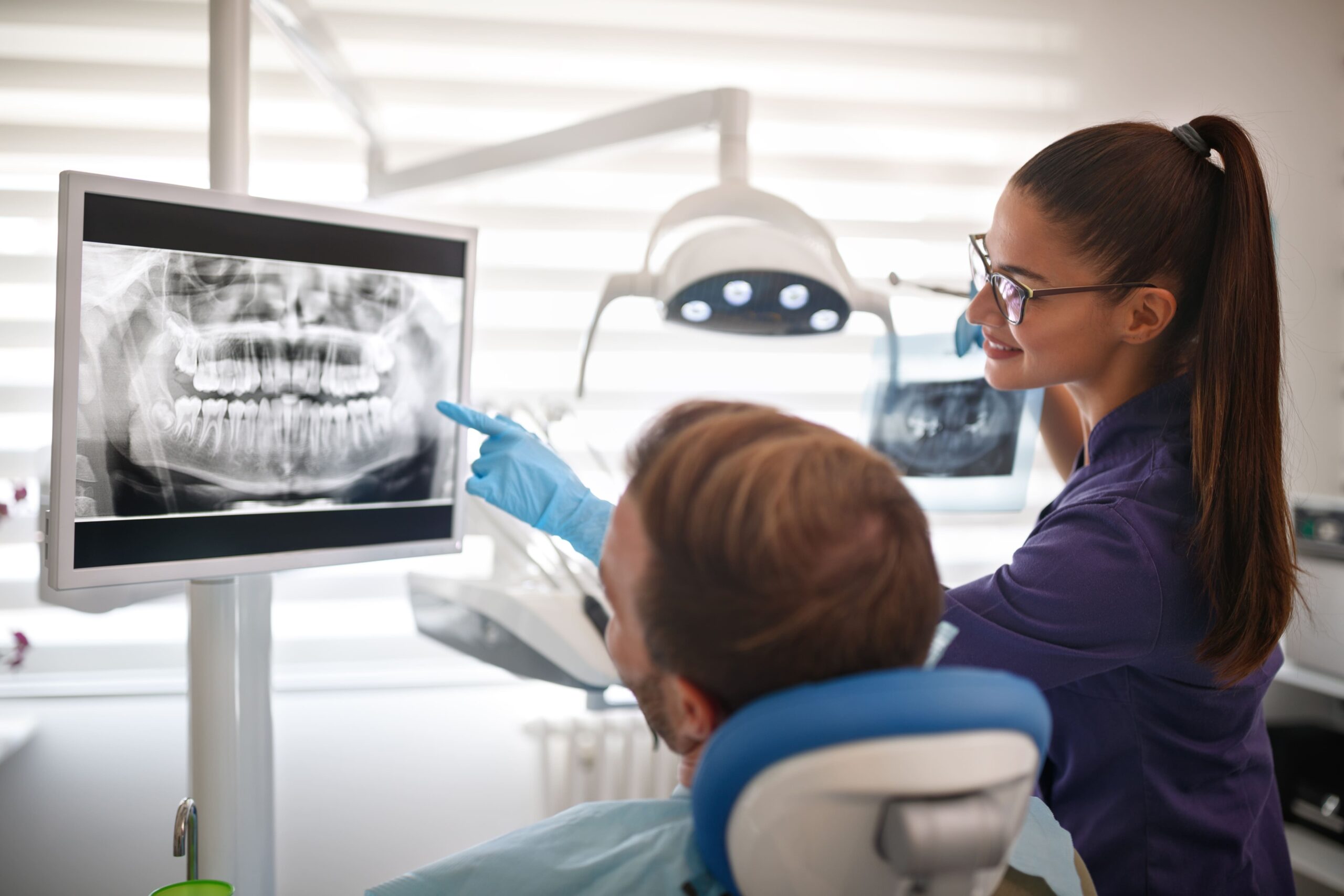
A strong orthodontic visit should feel like a walkthrough of your bite, not a sales pitch. The orthodontist should explain what they see, what problems may exist now or later, and what treatment options could realistically address them.
You should leave understanding three things clearly: what your issue is, what your options are, and what results you can expect. If you leave unsure or overwhelmed, that’s worth paying attention to.
Communication Style Is a Bigger Deal Than Most People Expect
Orthodontic treatment takes time. That means you’ll be interacting with the same office repeatedly over months or even years. Because of that, communication becomes part of the treatment experience itself.
You want a provider who explains things in a straightforward way without overloading you with jargon. You should feel comfortable asking questions and confident that you’ll get a clear answer.
Just as important, the office should be responsive when issues come up between visits—whether that’s a broken bracket, discomfort, or questions about aligners.
Technology Helps, But It Should Support the Doctor—not Replace Them
Modern orthodontic care often includes digital scans, 3D imaging, and computer-assisted treatment planning. These tools can improve comfort and accuracy, especially compared to older methods like traditional molds.
For example, digital scans can make Invisalign® planning more precise, and 3D tools can help visualize how teeth are expected to move over time. That kind of visualization can make treatment feel easier to understand.
Still, technology is only as good as the clinical judgment behind it. The experience of the orthodontist is what guides how those tools are used.
Reviews Are Most Useful When You Look for Patterns
Online reviews can be helpful, but they’re most meaningful when you look for repeated themes instead of individual opinions.
If patients consistently mention things like clear explanations, organized visits, friendly staff, and predictable results, that usually points to a well-run practice. On the other hand, repeated concerns about communication or follow-up care are worth taking seriously.
You’re not looking for perfection—you’re looking for consistency.
Cost Matters, But Value Matters More
It’s normal to compare pricing when considering orthodontic treatment, especially for braces or Invisalign®. But cost alone doesn’t tell the full story.
A more useful approach is to understand what is included in the overall treatment plan. That might include retainers after treatment, follow-up visits, adjustments, and any refinements if teeth don’t move exactly as planned.
Sometimes a slightly higher fee reflects a more complete and predictable treatment process, which can actually reduce surprises later on.
Convenience Affects Long-Term Consistency
Orthodontic treatment requires regular visits, even if they’re spaced out. Over time, convenience becomes more important than people expect.
A nearby office with flexible scheduling makes it easier to stay consistent with appointments, which directly affects how smoothly treatment progresses. Even small delays can extend treatment time, so consistency really matters.
Tisseront Orthodontics | Braces and Invisalign® Care You Can Trust
If you’re exploring orthodontic treatment options, Tisseront Orthodontics provides care focused on personalized treatment planning, clear communication, and long-term stability of results.
Led by Stephan Tisseront, the practice offers braces and Invisalign® treatment designed around individual bite needs rather than one-size-fits-all recommendations.
If you’re ready to take the next step, a consultation is the easiest way to understand your options and get a clear plan for your smile.